
Vision
A Tech-Friendly Active-Aging Support System
To build a tech-friendly, active-aging support system where seniors can live safely, learn freely, continuously participate in society, and enjoy their twilight years with dignity.
2026 – 2028 Action Plan
Taiwan Malacors Non Profit Association — with the core philosophy of "Aging in Place, Tech Empowerment, and Global Inclusiveness," building a senior service network that combines humanistic care, technological application, and community support.

With the core philosophy of "Aging in Place, Tech Empowerment, and Global Inclusiveness," this project addresses the multifaceted challenges arising from Taiwan's transition into a super-aged society, including elderly life support, family caregiver burdens, caregiving labor shortages, and the digital divide. The project will establish a senior service network that combines humanistic care, technological application, and community support through four main strategic pillars: a smart companionship APP, smart home and robot matchmaking, domestic eldercare institution resource integration, and international tech-assisted eldercare cooperation.
The focus for this period is not only on introducing technological tools, but more importantly, on helping seniors become "willing to use, able to learn, and safe in using" them, while helping families, community care stations, and eldercare institutions form a sustainable support system. The project will be implemented through phased rollouts, demonstration site verifications, cross-sector collaborations, and parallel risk management to gradually form a reproducible and scalable tech-assisted eldercare service model.
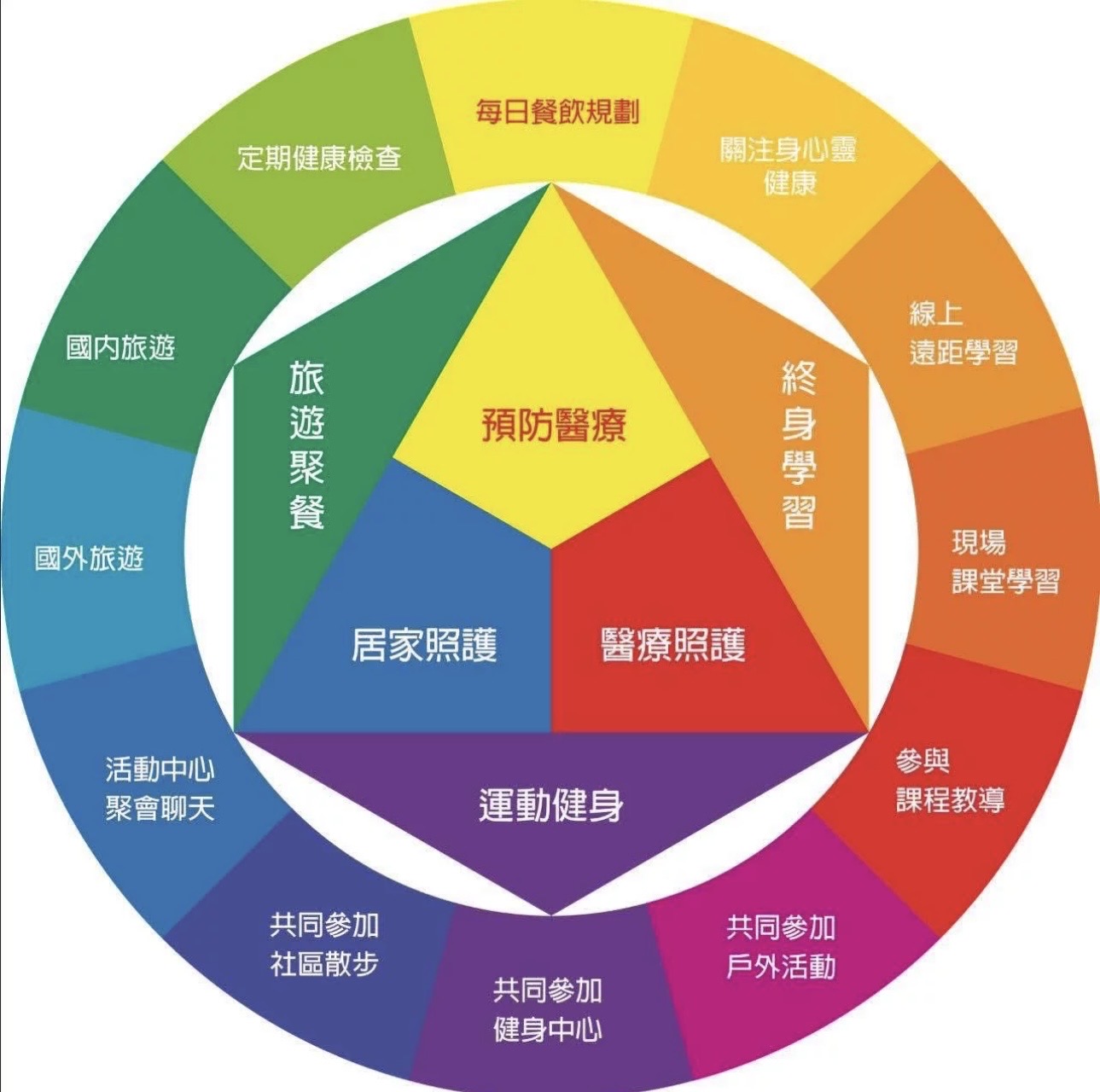
As Taiwan's population aging accelerates, long-term care services, medical integration, community support, digital learning, and age-friendly technology have become critical issues in social governance. In recent years, the government has promoted policies related to the senior technology industry, long-term care service systems, and digital empowerment. These policies emphasize starting from the needs of older adults and caregivers, and introducing Artificial Intelligence (AI), the Internet of Things (IoT), smart assistive devices, and community service resources to enhance care efficiency and quality of life.
As a senior-focused service non-profit organization, we will adopt the principles of public-private partnership, community grounding, inclusive technology, and caregiver support. This initiative aims to bridge the demand gaps that seniors face in daily life, health management, emotional companionship, mobility safety, digital learning, and cross-institutional service transitions, while establishing service workflows that strictly comply with personal data protection and information security requirements.
To build a tech-friendly, active-aging support system where seniors can live safely, learn freely, continuously participate in society, and enjoy their twilight years with dignity.
To combine technological tools, humanistic companionship, community services, caregiving expertise, and cross-sector resources to help seniors bridge the digital divide, reduce caregiving burdens on families and institutions, and promote aging in place and all-age inclusiveness.
The goal of this pillar is to develop an AI-powered smart companionship and life navigation APP designed specifically for seniors, providing emotional companionship, health reminders, life service guidance, emergency alerts, and active aging activity information. The APP will feature age-friendly designs, such as large fonts, simplified workflows, voice operations, and family-assisted settings to lower the entry barrier for seniors.
Promotion Methods: Organize digital empowerment workshops at community care stations, day care centers, and senior learning venues.
This pillar helps senior families and care institutions understand and adopt suitable smart appliances, domestic robots, companion robots, health promotion equipment, and mobility assistance technologies. The organization does not act as a product vendor, but rather provides needs assessment, product comparison, trial experiences, subsidy consultation, installation coordination, and vendor after-sales service integration.
Sweeping/mopping, window cleaning, laundry, meal prep assistive devices, and safe kitchen auxiliary equipment.
Interactive companion robots, exercise guidance, cognitive training, and interactive media for remote courses.
Partner with medical, rehabilitation, and assistive device professionals to assess the suitability of exoskeletons or power-assisted equipment.
Set up a smart robot experience and consultation display area at the organization's headquarters or partner venues.
This pillar aims to establish a domestic alliance of tech-assisted eldercare institutions to promote the sharing of caregiving experiences, technology applications, talent training, and crisis response resources. Through Memorandums of Understanding (MOUs), information exchange platforms, staff swaps, and joint seminars, the project will help institutions reduce the cost of repetitive trial-and-error and improve the efficiency of implementing tech-assisted care.
Establish an anonymized care experience and indicator exchange platform to share tech implementation case studies, care workflows, and quality improvement experiences.
Promote the "Talent Mobility" short-term staff swap and internship system to enhance frontline caregivers' professional skills and work motivation.
Build a mutual assistance network for emergency supplies and manpower to strengthen response capabilities during natural disasters, pandemics, or caregiver shortages.
Compile a white paper on excellent case studies of tech care and institutional integration to serve as a basis for future scaling and fundraising.
Drawing on tech-assisted eldercare and age-friendly service experiences from Japan, the Nordics, Europe, and the US, this pillar translates international practices into locally executable service solutions through sister institutions, online forums, international case exchanges, and seed personnel training. Simultaneously, it utilizes the APP's video and social functions to promote cross-border senior exchanges, enhancing social participation and cognitive stimulation. The plan is to establish partnerships with 2 to 3 international tech-assisted eldercare institutions and conduct regular online technical exchanges.
Host international online forums on tech-assisted eldercare, inviting overseas institutions to share experiences on care technology, smart assistive devices, and community aging.
Select seed caregivers and organization staff for short-term overseas studies or intensive online courses.
Organize cross-border online senior exchange activities, such as cooking, calligraphy, music, cultural sharing, and life story exchanges.
| Timeline | Major Tasks | Expected Outputs |
|---|---|---|
| 2026 Jul – Sep | Proposing & Fundraising. | Complete project funding assembly. |
| 2026 Oct – 2027 Mar | Conduct needs interviews, APP prototyping, robot experience center planning, domestic alliance invitations, and international cooperation mapping. | Needs analysis report, APP prototype, experience center setup plan, partnership invitation list. |
| 2027 Apr – Sep | Execute Phase 1 APP development and senior focus testing; hold robot experience briefings; sign domestic institutional MOUs; launch international online exchanges. | Beta APP, experience activity records, Letters of Intent (LOIs), international exchange meeting minutes. |
| 2027 Oct – 2028 Mar | Complete third-party service integration testing, information security audits, pilot ordering/matchmaking services, pilot staff swaps, and international online forums. | Trial operations report, cybersecurity audit records, matchmaking service workflows, swap project results, forum outcome report. |
| 2028 Apr – Jun | Officially launch the APP; conduct digital empowerment workshops; compile user feedback; complete the white paper and annual achievement report. | Production APP, 50 workshops, user feedback analysis, achievement report, and white paper. |
Annual targets as published in the plan.
| Dimension | Indicator | Annual Target |
|---|---|---|
| Senior Services | APP Registration & Empowerment | Serve 5,000 seniors; complete 50 digital empowerment workshops. |
| Tech Implementation | Smart Home & Robot Matchmaking Cases | Complete assessments or matchmaking services for 100 families and 5 institutions. |
| Caregiver Support | Care Burden Reduction | Average physical caregiving time reported by pilot families and institutions decreases by 20% to 30%. |
| Institutional Coop. | International Exchanges & Collaborations | Partner with 2 to 3 international institutions; hold at least 3 online exchange activities. |
| Governance & Quality | Cybersecurity, Data Privacy & Service Workflows | Complete data governance regulations, service SOPs, anomaly incident reporting, and annual effectiveness evaluations. |
Responsible for overall strategy, resource integration, external cooperation, and achievement management.
Responsible for APP development coordination, system testing, smart equipment implementation, and technical support.
Responsible for needs interviews, digital empowerment, case tracking, volunteer training, and user feedback.
Responsible for the domestic alliance, staff swaps, seminars, and white paper compilation.
Responsible for overseas institutional liaison, online forums, training arrangements, and cross-border senior exchanges.
Responsible for personal data protection, data anonymization, cybersecurity audits, outsourcing management, and anomaly incident reporting.
APP design, development, testing, cloud services, cybersecurity testing, and customer service systems.
Workshop lecturers, educational materials, venues, volunteer training, transportation, and promotional expenses.
Experience center display equipment, trial services, professional assessments, installation coordination, and technical support.
Seminars, staff swaps, platform maintenance, case interviews, and white paper compilation.
Online forums, translation/interpretation, international courses, overseas studies, or exchange activities.
Personal data compliance consultancy, cybersecurity audits, effectiveness evaluation, insurance, and risk management.
| Risk Type | Potential Scenario | Mitigation Strategy |
|---|---|---|
| Senior Usage Barriers | Unfamiliarity with smartphones, resistance to new tech, or operational frustration. | Adopt large fonts, voice operations, family-assisted settings, and community-based companionship teaching. |
| Cybersecurity & Privacy Risks | Misuse of health, location, or emergency contact data. | Establish informed consent, minimized collection, access controls, anonymization, and anomaly reporting mechanisms. |
| Product Safety & Liability | Risks caused by improper use of robots or exoskeleton equipment. | Utilize professional assessments, pre-trial safety briefings, vendor liability definitions, and after-sales service contracts. |
| Insufficient Institutional Participation | Institutions worry about data sharing, costs, or manpower deployment. | Use anonymized experience sharing, clear MOUs, trial mechanisms, and reciprocal benefits to increase willingness to participate. |
| Superficial International Coop. | Exchange activities lack follow-up localized outcomes. | Set an action checklist after each exchange, translate case studies, and initiate local pilot projects. |
| Funding & Manpower Shortages | Parallel execution of multiple pillars leads to fragmented resources. | Adopt a phased implementation approach; prioritize the APP, digital empowerment, and demonstration matchmaking before expanding. |
Reduce physical and mental care pressures on families and institutions through smart devices, service matchmaking, and optimized care workflows.
Use technological tools to assist with health reminders, emergency alerts, activity participation, and care information exchange.
Connect technology vendors, medical care professionals, long-term care institutions, and community stations to form a cross-sector collaborative ecosystem.
Import overseas tech-assisted eldercare experiences to stimulate local service innovation and facilitate cross-border senior exchanges.
The "Tech Navigation · Smart Active Aging" Annual Action Plan places the genuine needs of seniors at its core.
It views technology as a tool for companionship, support, and empowerment rather than a substitute for human warmth. Through phased implementation, community empowerment, institutional alliances, international cooperation, and rigorous governance, this project will help older adults age in place safely, learn continuously, and stay connected within familiar surroundings, thereby establishing a scalable and sustainable public welfare practice model for tech-assisted eldercare services in Taiwan.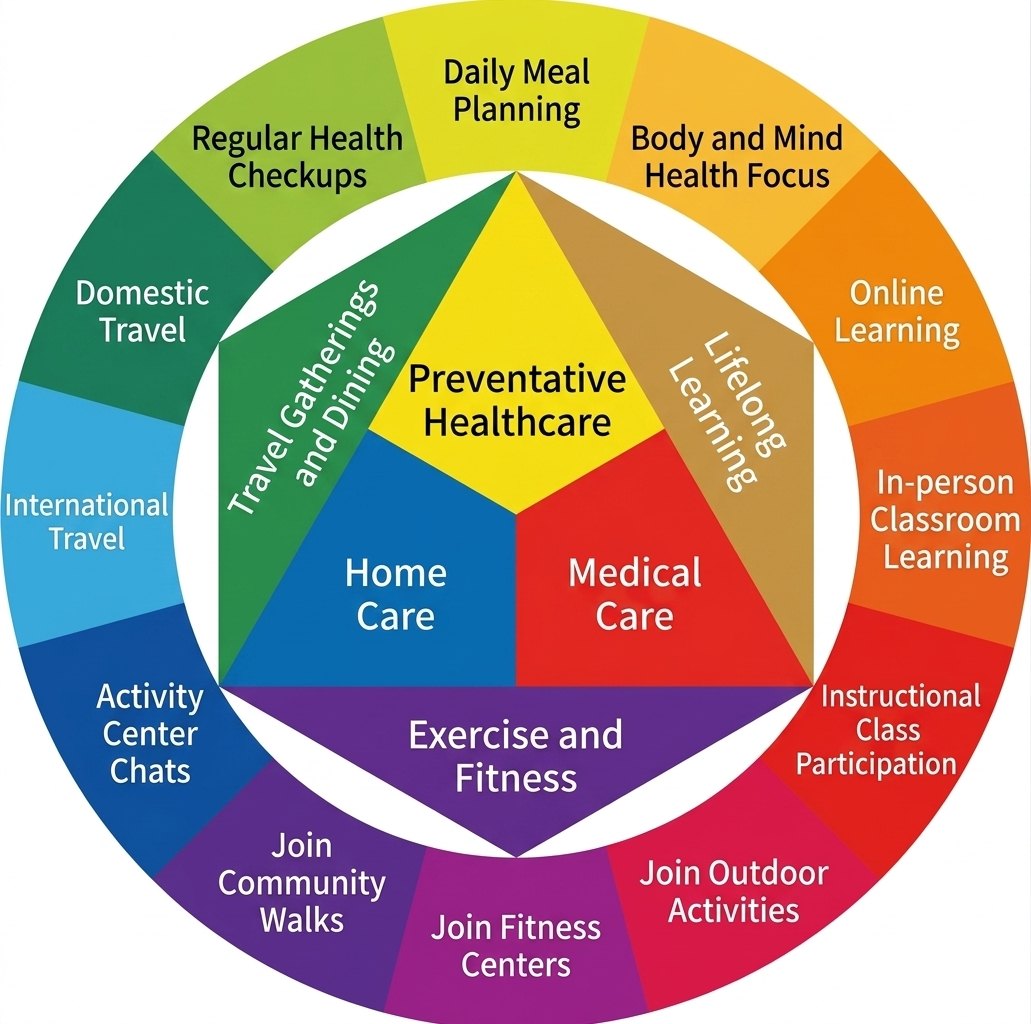
Support Us
Every contribution supports seniors' digital learning, community companionship, and the continued development of Oppie. Corporate partnerships, volunteers, and course invitations are welcome.
Taiwan Malacors Non Profit Association
台灣瑪拉寇斯公益慈善協會
Email: tammy.feng@malacors.org
Registration No.: Tai-Nei-Tuan-Zi No. 1140031318 · Tax ID: 61216604
Please email us after your transfer so we can send you a receipt. Thank you for your support.